Watching and listening
How to watch flamenco: compás to duende
Six ideas that make a flamenco show easier to follow: the singer, the guitar, the dance, the rhythm cycle, the shouts of encouragement and duende.
Reserve a flamenco night ↗Quick answer
Watch the performers, not the clock. Listen to the singer first, follow the guitar's rhythm, then watch how the dancers answer both. Flamenco runs on a rhythmic cycle called compás, usually twelve beats, and the calls of olé and the hand-clapping called jaleo are part of the art. Duende, a mysterious power beyond technique, is what everyone hopes to hear.
Start with the voice
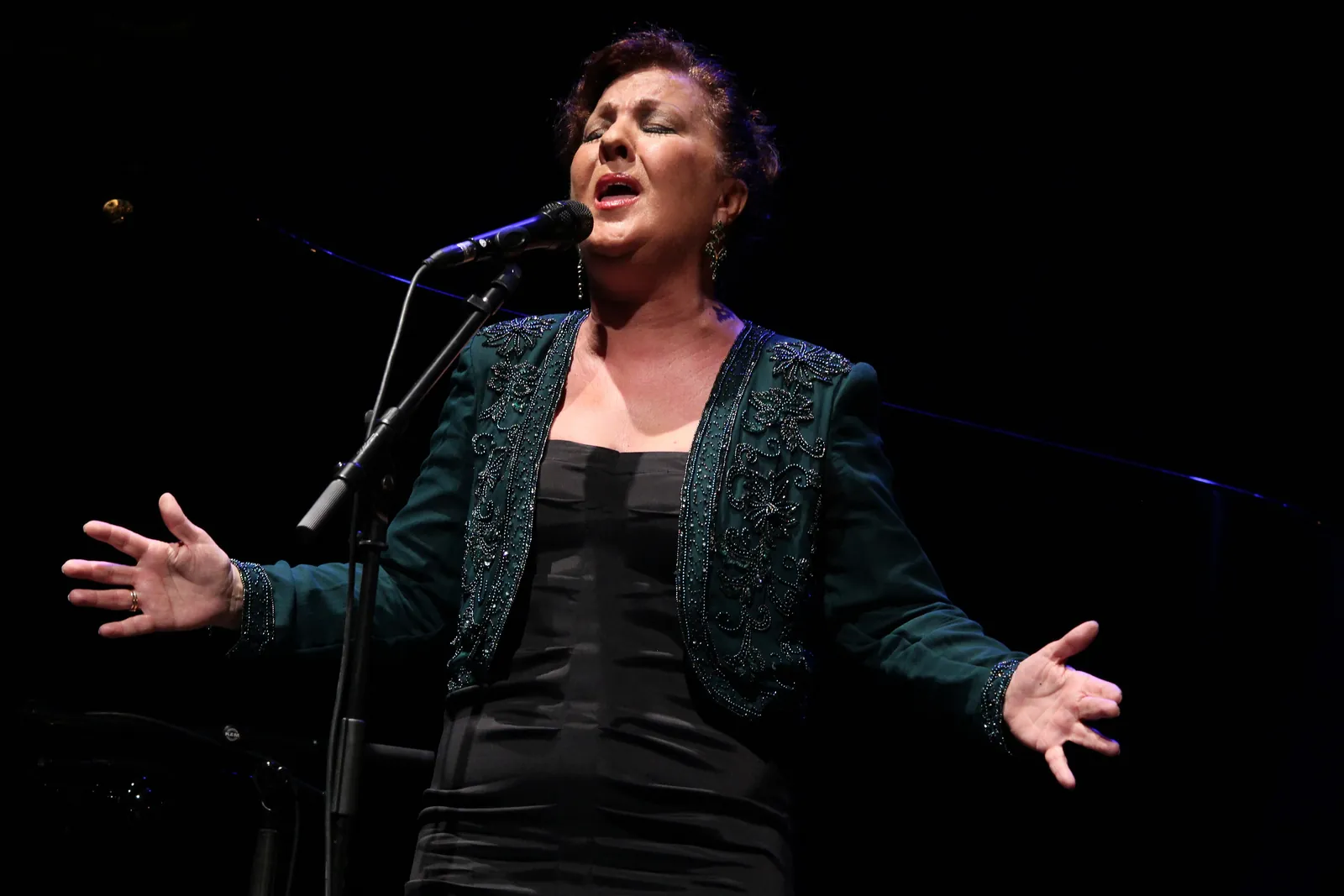
UNESCO's entry gives the singer pride of place: a solo voice, usually seated, delivering lyrics that are short and plain yet cover everything from mourning to celebration. In a small room the singer is only a few steps away, so follow the face and the breath as much as the words. A song may begin quietly, build through several verses and end suddenly.
Follow the guitar
The guitarist sets the tempo, the compás and the key before the singer enters, and plays falsetas, melodic phrases, between verses. UNESCO says the guitar has long surpassed accompaniment. Watch the right hand: strumming and tapping the soundboard are part of the rhythm. If the dance changes mood, look at the guitarist, who holds the cycle steady under it.
Then the dancers
UNESCO says the dance runs from sadness to joy and that male dancers lean on the feet while female dancers move more gently and sensually. Wikipedia notes the emotional intensity, proud carriage, expressive arms and rhythmic stamping. In a show with live song and guitar, the dancers answer both. Notice the silences as much as the steps.
Compás: the cycle underneath
In flamenco, compás means the repeating rhythmic cycle that a piece sits inside, and Wikipedia calls it fundamental to the art. The most common cycle has twelve beats, with accents that fall differently from one form to the next, so the beat can feel as if it moves. Without a guitar, the cycle is kept by hand-clapping. Tapping along is natural; wait until you hear where the accents land.
Jaleo: the encouragement
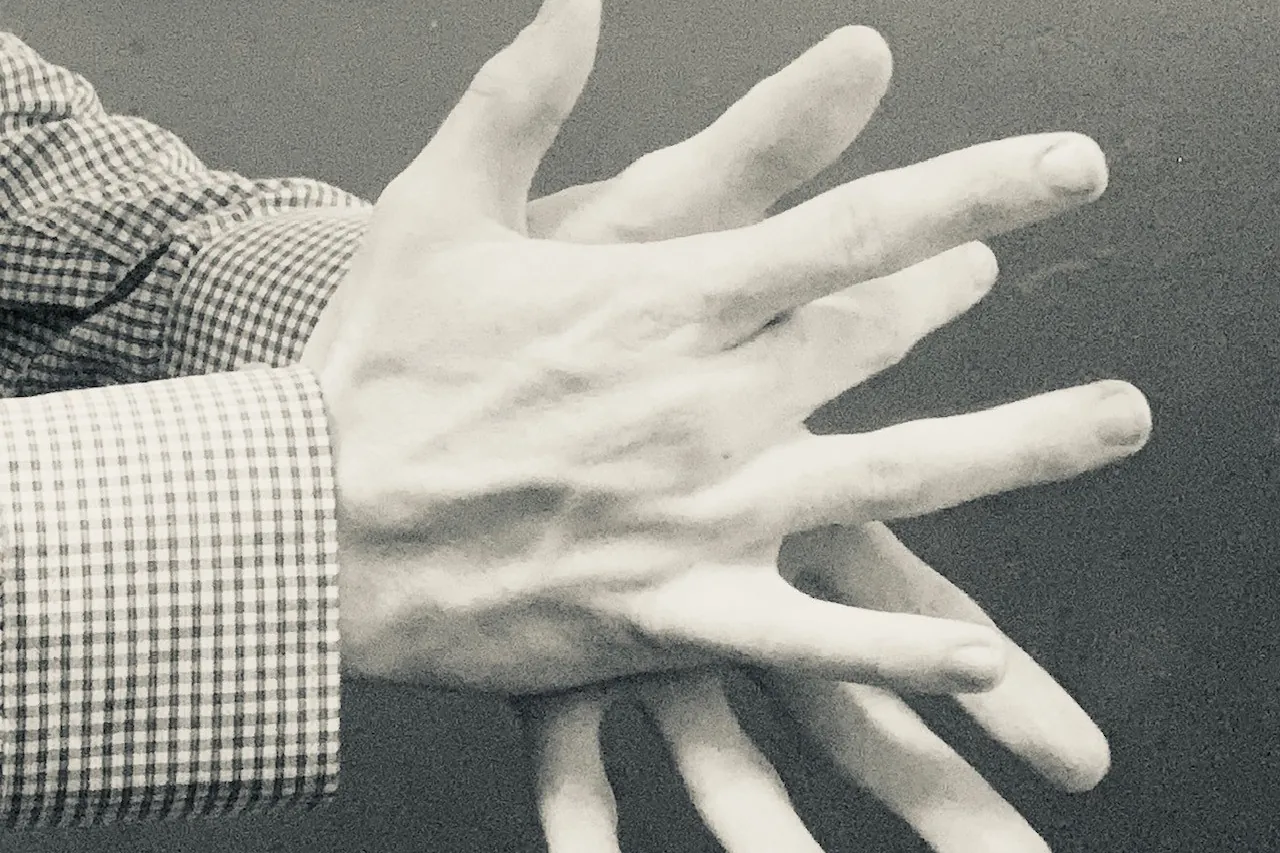
Wikipedia defines jaleo as rhythmic hand-clapping and vocal interjections used to encourage and support the performers, with calls such as olé. It describes jaleo as an integral part of the art. The clapping can be cupped for a hollow sound or sharp with stiff fingers, and finger-snapping and foot-stomping join it. If the room calls out, that is normal. At a tablao, follow the performers' lead and the atmosphere of the room.
Duende: the spark
Federico García Lorca wrote about duende, which the Royal Spanish Academy's dictionary calls a mysterious and ineffable charm, and which Wikipedia says goes beyond technique and inspiration. When it appears, Andalusians say the artist has duende. Nobody can promise it for a given night, and that is the appeal: the hour is live, and every performance is different.
Sevillanas are not flamenco
Sevillanas are the regional folk dance of Seville, with their own music, danced by couples of all ages at fairs and festivals. Wikipedia notes that visitors often mistake them for flamenco, though people who want to learn flamenco often begin with them because they are easier to master. So if you see a family dancing sevillanas at a fair, you are watching a different tradition, a happy neighbour of the one on the tablao stage.
Before you go
A show is easier to follow when you know the six words: cante, toque, baile, compás, jaleo and duende. You do not need to know the forms by name. If you want a longer introduction, the explainer on cante, baile and toque goes through each art, and the ticket guide for Baraka covers what the booking includes. Then get to the door in good time, take your seat and let the room do the rest.
Read next: Flamenco explained: cante, baile, toque
Frequently asked questions
What does compás mean?
It is the Spanish word for metre and for the rhythmic cycle of a flamenco piece. The most common cycle has twelve beats.
What is jaleo?
Rhythmic hand-clapping and vocal calls such as olé that encourage and support the performers. It is an integral part of flamenco.
What is duende?
A mysterious power that goes beyond technique, a word made famous by Federico García Lorca. Performers are said to have duende when it arrives.
Sources