The art form behind the show
Flamenco explained: cante, baile, toque
What flamenco is, where it came from, how song, dance and guitar fit together and what UNESCO says about it, before you see a show.
Reserve a flamenco night ↗Quick answer
Flamenco joins three arts: singing (cante), dancing (baile) and guitar playing (toque). In 2010 UNESCO placed it on its intangible heritage list, names Andalusia in southern Spain as its heartland and credits the Gitano community with an essential part in shaping it. Families, social groups and flamenco clubs pass it on.
Three arts in one
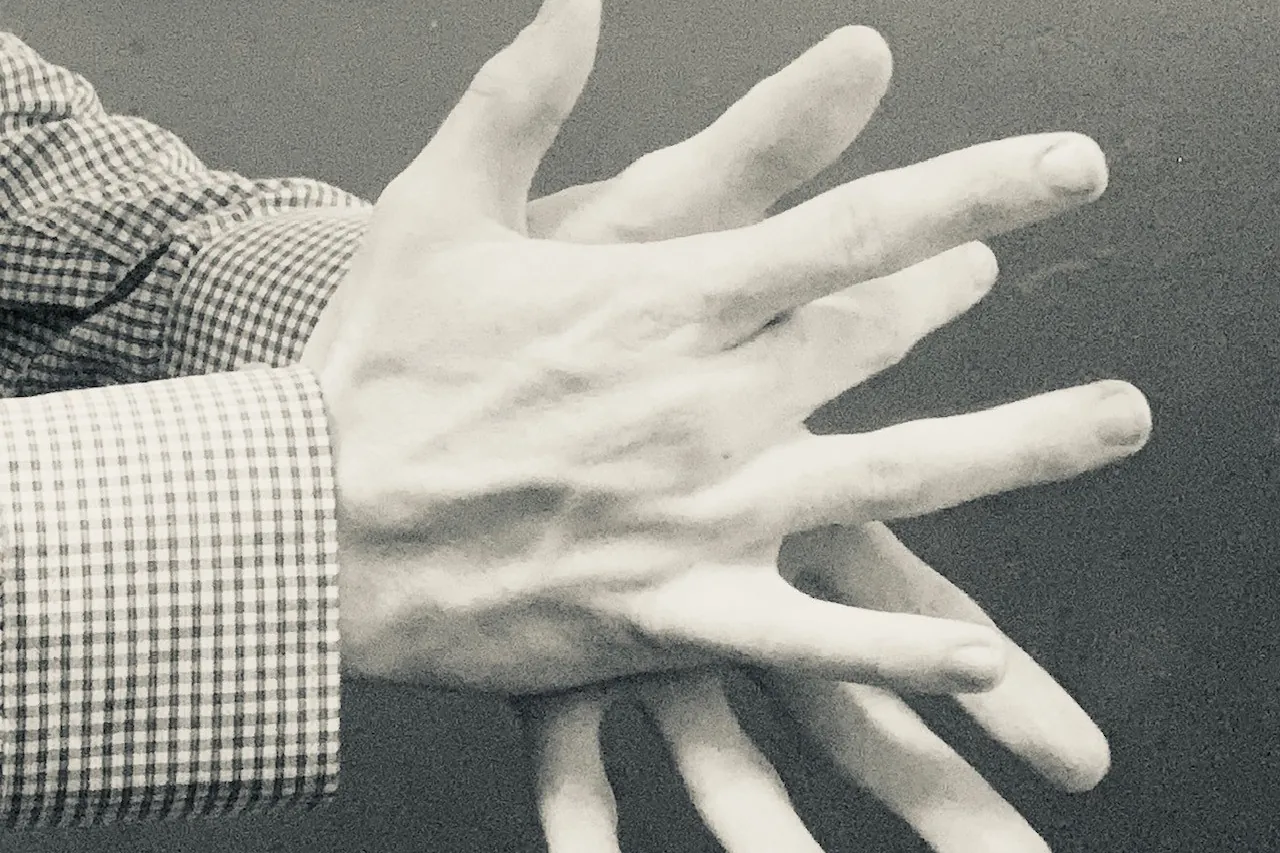
UNESCO describes flamenco as an artistic expression fusing song, dance and musicianship. Each has its own word. Cante is the voice, baile is the dance and toque is the guitar. Other sounds join them: castanets, hand-clapping and foot-stamping. A good performance lets each answer the others. The word flamenco is used both for the whole art and for the many palos, or forms, that make it up, which is why one evening can sound very different from song to song.
Where it came from
No single date marks the start. The earliest written trace of flamenco music is a book from 1774, according to Wikipedia, and the art seems to have taken shape late in the 18th century in Lower Andalusian towns and cities, with Jerez de la Frontera the earliest place named in writing. Visit Sevilla links the origins to the gypsies who came to the Cádiz, Jerez and Seville countryside in the 1400s. Historians weigh several influences, and the accounts agree on a blend of traditions in Andalusia.
The Gitano contribution
UNESCO calls flamenco the badge of identity of many communities and groups, in particular the Gitano, or Roma, ethnic community, which has played an essential role in its development. Wikipedia adds that flamenco is closely associated with the gitanos of the Romani ethnicity, who contributed significantly to its origin and professionalisation, while its style is uniquely Andalusian and its artists have included gitanos and non-gitanos. In Triana, a large Romani population once lived in the street now called Pagés del Corro.
Cante: the voice
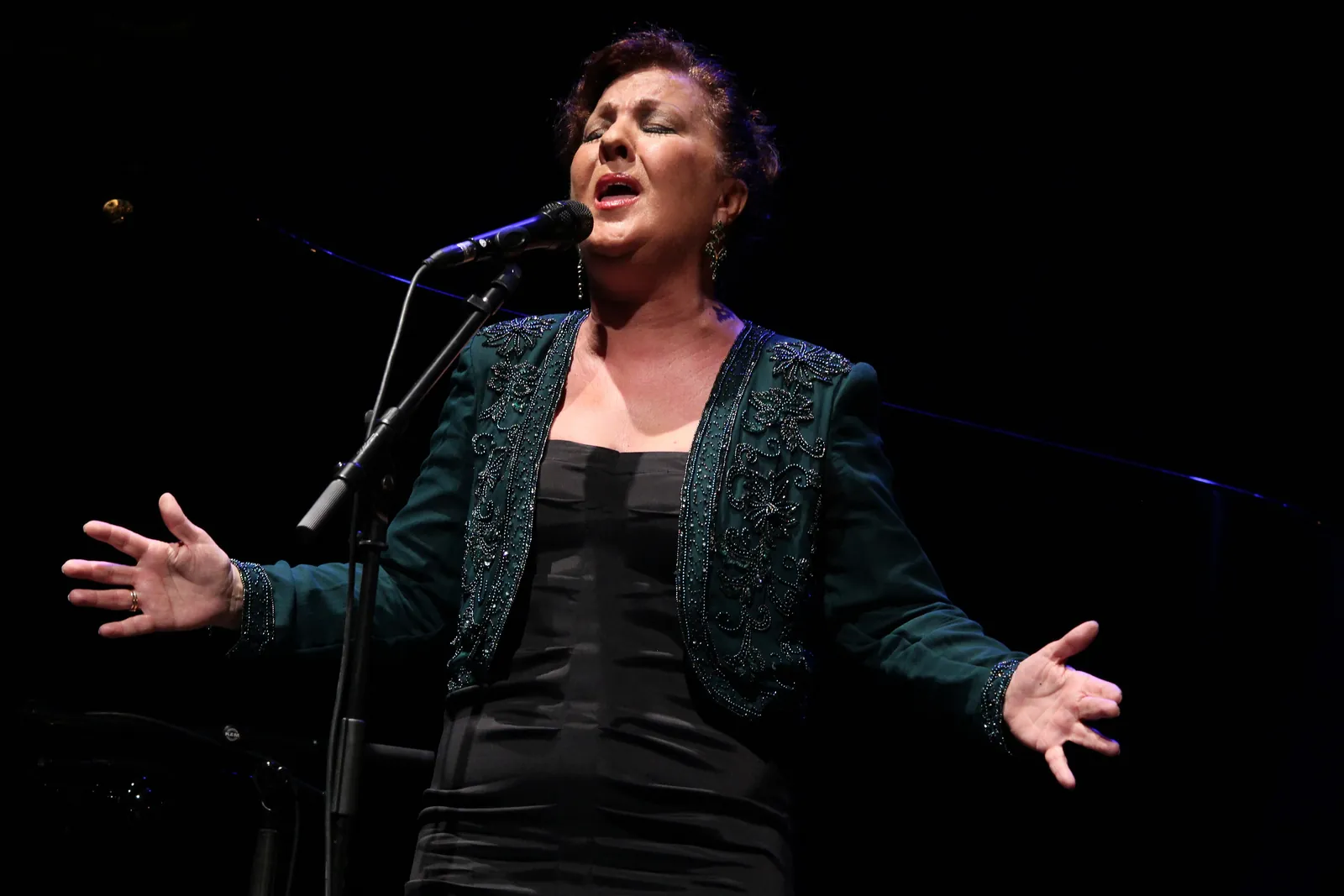
In UNESCO's description the singer works alone, usually seated, and the lyrics are brief and plain yet cover every feeling from mourning to rejoicing and fear. Cante jondo, meaning deep song, is the most serious class of forms. A flamenco singer is called a cantaor or cantaora. You do not need Spanish to feel the shape of a phrase: listen for how the voice leans into a note and how the guitar waits for it.
Toque: the guitar
UNESCO notes that toque has long surpassed its original role as accompaniment. The guitarist sets the tempo and the compás, the rhythmic cycle, and inserts melodic phrases called falsetas between the verses. Wikipedia explains that flamenco guitarists use rasgueado, a strum, and golpe, a tap on the soundboard, and that the flamenco guitar is lighter and narrower than the classical guitar, so it does not overshadow the singer. When a guitarist plays alone, the music works as a piece in its own right.
Baile: the dance
UNESCO says the technique of the dance is complex and differs by performer: heavier footwork for men, gentler and more sensual movement for women. It adds that the dance covers situations from sadness to joy. Wikipedia mentions emotional intensity, an upright and proud bearing, expressive arms and stamping feet. Watch how the arms and the feet divide the work, and how the guitar and voice hold the room around them.
Palos: the forms
Wikipedia counts more than fifty palos, the named forms of flamenco, sorted by rhythm, mode, harmony, verse structure and place of origin. Some are sung without a guitar, some are danced and some are not. Familiar names include the soleá, the seguiriya, the tangos, the fandangos, the guajira and the farruca. The farruca, once a male dance, is now commonly danced by women too.
From cafés cantantes to tablaos
Visit Sevilla says flamenco became popular in the middle of the 19th century through the cafés cantantes, which began in Seville, and that tablaos are their direct heirs. Wikipedia places the rise of tablao venues in the 1960s. Today the art is performed at religious festivals, rituals, church ceremonies and private celebrations, as UNESCO notes, and in tablaos, peñas and festivals. A small sala like Baraka's belongs to the tablao tradition: an hour of the three arts in one room.
Frequently asked questions
What do cante, baile and toque mean?
Cante is song, baile is dance and toque is guitar playing. UNESCO describes flamenco as the fusion of the three.
When did UNESCO recognise flamenco?
In 2010, when flamenco was added to the list of intangible heritage that UNESCO calls its Representative List.
What is a palo?
A palo is a named form or style of flamenco. Wikipedia counts more than fifty, sorted by rhythm, mode, harmony, verse structure and origin.
Sources